

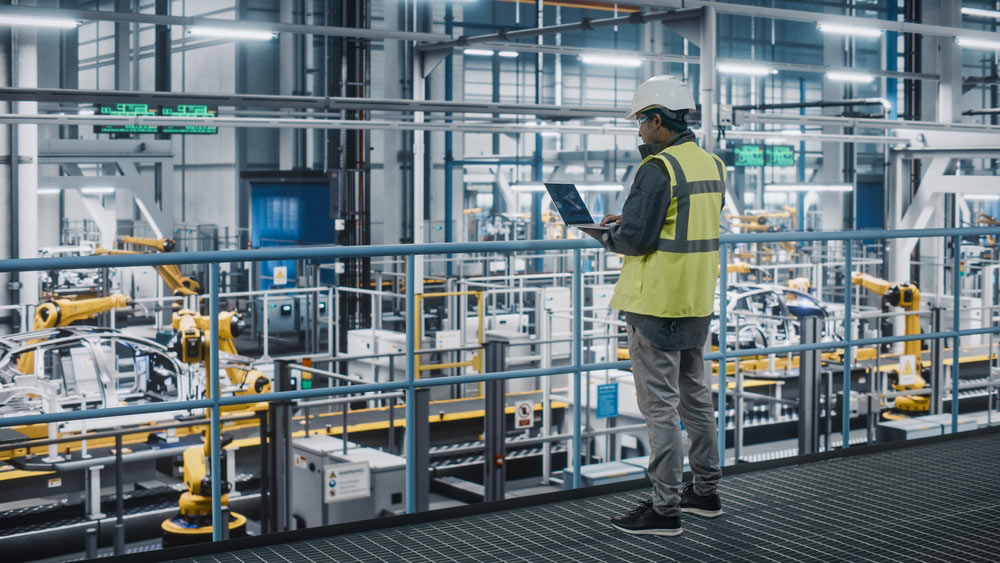
Manufacturing serves as the backbone of the global economy. At its core, manufacturing is the process of transforming raw materials, components, or parts into finished goods that meet customer specifications. This transformation can take place manually or through the use of complex machinery, chemical processing, or automated systems. From the production of simple household goods to the assembly of sophisticated aerospace components, the sector drives economic growth, technological innovation, and employment opportunities worldwide.
Historically, production relied heavily on human labor and basic tools. The Industrial Revolution fundamentally shifted this dynamic by introducing steam power, mechanization, and the factory system. Over the decades, the sector underwent multiple transformations, moving from mass production assembly lines to automated systems, and now to fully connected, digitalized ecosystems. Understanding how modern production operates requires an exploration of its core paradigms, operational methodologies, technological advancements, and sustainable practices.
Core Paradigms of Manufacturing Production
To understand the diversity of the production landscape, it is helpful to categorize facilities based on their operational models. While there are numerous niche approaches, most factories operate under one of two primary paradigms: discrete manufacturing or process manufacturing.
Discrete Manufacturing
Discrete manufacturing involves the production of distinct, identifiable items that can be counted, touched, and broken down back into their base components if necessary. These items are typically assembled using nuts, bolts, screws, and brackets.
Examples of discrete products include:
-
Automobiles and commercial trucks
-
Smartphones, laptops, and consumer electronics
-
Home appliances like refrigerators and washing machines
-
Medical devices and surgical instruments
In this model, the production line relies heavily on Bill of Materials documentation, which lists every individual part required to create the final product. The assembly process is sequential, and quality control often focuses on dimensional accuracy, structural integrity, and functional testing of the completed units.
Process Manufacturing
Process manufacturing relies on formulas, recipes, and thermal or chemical conversions rather than mechanical assembly. Once a product is created through process manufacturing, it cannot be disassembled back into its original raw ingredients.
Common examples of process industries include:
-
Pharmaceuticals and over the counter medications
-
Food and beverage production
-
Plastics, chemicals, and petroleum refining
-
Cosmetics and personal care products
Production in this segment occurs in batches or continuous streams. Quality management centers around chemical composition, temperature control, pressure tracking, and purity levels. Because variations in raw ingredients can alter the final outcome, precise formulation management is critical to maintaining consistency across production runs.
Essential Methodologies Driving Factory Floors
To maximize efficiency and reduce operational costs, organizations implement specific production philosophies. These frameworks guide how workers interact with machinery, how inventory is managed, and how quality is monitored.
Lean Manufacturing
Originating from the automotive production systems developed in Japan, lean manufacturing focuses on the systematic elimination of waste without sacrificing productivity. Waste is defined as any activity or expenditure of resources that does not add value from the perspective of the end customer.
Lean principles target specific types of waste, including excess inventory, unnecessary transportation, overproduction, waiting times, and defects. By streamlining operations and empowering workers to identify inefficiencies, facilities can significantly reduce lead times and operational costs while improving overall product quality.
Six Sigma Quality Management
Six Sigma is a data driven methodology aimed at eliminating defects and reducing variability in manufacturing processes. The core objective is to achieve a level of quality where processes produce no more than 3.4 defects per million opportunities.
The framework relies heavily on statistical analysis and follows a structured five phase cycle: Define, Measure, Analyze, Improve, and Control. Organizations use trained specialists, often referred to as green belts and black belts, to lead projects that pinpoint the root causes of production errors and implement permanent systemic fixes.
Just In Time Inventory Control
The Just In Time philosophy dictates that raw materials should arrive at the factory floor exactly when they are needed for production, rather than sitting in a warehouse accumulating storage costs. This approach minimizes capital tied up in inventory and reduces the risk of material obsolescence.
However, operating a successful system requires an incredibly reliable supply chain, precise demand forecasting, and close collaboration with vendors. A single delay from a supplier can halt the entire assembly line, making risk management a vital component of this strategy.
The Technological Revolution: Industry 4.0
The sector is currently undergoing its fourth major evolution, commonly referred to as Industry 4.0. This era is defined by the integration of digital technologies into physical production systems, creating smart factories capable of autonomous decision making.
Industrial Internet of Things
The Industrial Internet of Things involves embedding sensors, actuators, and network connectivity directly into factory machinery. These sensors collect real time data on machine performance, energy consumption, and operational temperatures.
By analyzing this data stream, facilities can move from reactive maintenance to predictive maintenance. Instead of waiting for a critical component to break and cause unplanned downtime, engineers can identify subtle signs of wear and schedule repairs during planned maintenance windows.
Robotics and Advanced Automation
Automated systems have moved far beyond basic, stationary robotic arms that perform repetitive tasks. Modern facilities utilize collaborative robots, known as cobots, which are designed to work safely alongside human operators without the need for protective cages.
Additionally, Autonomous Mobile Robots navigate warehouse and factory floors independently, transporting raw materials and finished goods between workstations. These systems utilize advanced cameras, lidar sensors, and mapping software to avoid obstacles and adapt to changing floor layouts in real time.
Additive Manufacturing
Commonly known as 3D printing, additive manufacturing builds objects layer by layer from digital computer aided design files. This stands in stark contrast to traditional subtractive manufacturing, which carves shapes out of solid blocks of material.
Additive technologies allow companies to produce highly complex geometries that would be impossible or prohibitively expensive to create using traditional molds or CNC machining. It is particularly valuable for rapid prototyping, customized medical implants, and lightweight aerospace components.
Sustainable Practices in Modern Production
As environmental concerns grow and regulatory pressures intensify, industrial operations are shifting toward sustainable practices. Green manufacturing focuses on minimizing the environmental footprint of production activities while maintaining economic viability.
Key strategies include:
-
Energy efficiency optimization: Upgrading to high efficiency motors, implementing LED lighting systems, and utilizing waste heat recovery systems to reduce overall power consumption.
-
Material substitution: Replacing hazardous chemicals and non recyclable plastics with bio based alternatives and safer chemical formulations.
-
Water conservation: Implementing closed loop water recycling systems that treat and reuse process water rather than discharging it into municipal systems.
-
The circular economy model: Designing products with their end of life in mind, ensuring that components can be easily disassembled, remanufactured, or recycled back into industrial feedstocks.
By reducing waste generation and lowering resource consumption, companies can simultaneously lower their utility bills, minimize compliance risks, and appeal to environmentally conscious consumers.
Frequently Asked Questions
What is the difference between continuous and batch process manufacturing?
Continuous process manufacturing runs non stop, twenty four hours a day, moving materials through a sequential pathway without interruption. It is typically used for high volume commodities like petroleum or chemicals. Batch process manufacturing produces goods in specific quantities or lots. The machinery is cleaned and recalibrated between batches, making it ideal for products like seasonal foods or specialized pharmaceuticals.
How do smart factories secure their systems against cyber threats?
Smart factories protect their operations by isolating operational technology networks from corporate information technology systems. They implement strict access controls, end to end data encryption, regular firmware updates for connected machinery, and continuous network monitoring to detect anomalies that could indicate a cybersecurity breach.
What role does predictive maintenance play in reducing operational costs?
Predictive maintenance uses sensor data to forecast exactly when a machine part is likely to fail. This allows maintenance teams to replace components right before failure occurs. This strategy eliminates unexpected downtime, prevents catastrophic machine damage, reduces expenditures on emergency shipping for spare parts, and extends the overall operational lifespan of expensive capital equipment.
What is contract manufacturing and why do companies use it?
Contract manufacturing is an arrangement where a company hires a third party firm to handle the physical production of its products. This allows the hiring company to focus its resources on research, design, marketing, and sales while avoiding the massive capital expenditures required to build and operate their own factory facilities.
How does computer aided design software integrate with production machinery?
Computer aided design software allows engineers to create precise digital models of products. This data is then translated by computer aided manufacturing software into a series of numerical commands. These commands are fed directly into automated production tools, such as CNC machines or 3D printers, dictating exactly how the machinery should cut, shape, or build the physical object.
What is the purpose of a manufacturing execution system?
A manufacturing execution system is a specialized software solution that tracks and documents the transformation of raw materials into finished goods in real time. It links the factory floor operations to the upper management enterprise resource planning software, providing visibility into production scheduling, order tracking, quality control, and resource allocation.