

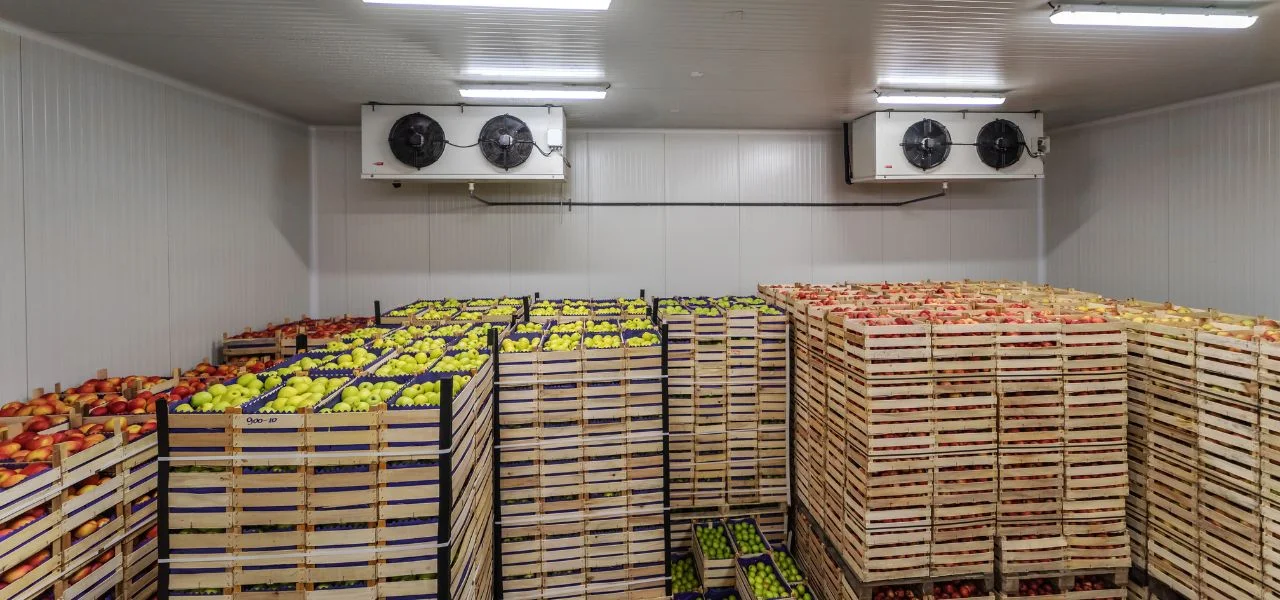
Food businesses rarely outgrow cold storage in a neat, predictable line. A new retail account, seasonal harvest or successful promotion can add several weeks of stock almost at once. Planning capacity early prevents the business from choosing between overcrowded storage, turned-down orders and a rushed move to another warehouse.
SCGJWD provides cold storage for rent Thailand food businesses can use across temperature zones ranging from 25°C to deep-freeze storage at -40°C. Before reserving space, the business needs a clear record of how many pallets are held during a normal week, how long they stay and what happens during the busiest months.
Start with pallets rather than sales forecasts
Revenue alone is a poor guide to warehouse space because two products can bring in similar sales but use very different numbers of pallets. Case sizes, stacking limits and temperature requirements all affect the amount of space needed. Capacity planning should therefore begin with weekly pallet counts for each product group instead of a broad percentage added to the sales forecast.
Record how many pallets arrive, how many leave and the average number of days stock remains in storage. A fast-selling line replenished several times a week may require less space than a slower product bought in large batches. Include packaging changes, minimum order quantities and safety stock, as each can increase the storage requirement before sales figures show any change.
Plan around the busiest periods
Average stock levels help with budgeting, but peaks are what fill a warehouse. Food businesses should list the events that push inventory above normal, including seasonal production, retail promotions, holiday demand, large customer orders and delays affecting imported ingredients. Looking back over at least one complete trading year provides a much stronger starting point than using the latest month.
The amount of spare capacity needed depends on how quickly stock can be replaced and how predictable demand has been. A business receiving local products several times a week may need less of a buffer than one importing frozen goods in large shipments. Renting space allows capacity to increase as volumes rise without requiring the business to build and operate another cold facility.
Check the operational limits as well
Capacity also depends on receiving space, loading bays, picking areas, temperature zones and the speed at which products move through the warehouse. A site may technically have spare racking but still struggle if incoming goods block the staging area or staff cannot prepare orders quickly enough. Separate chilled, frozen and deep-freeze requirements before calculating the total because unused space in one zone cannot always solve a shortage in another.
Repeated overflow is one of the clearest signs that the current arrangement needs reviewing. Other warning signs include stock being moved between sites, orders waiting for space in the dispatch area, frequent reshuffling of pallets and staff spending more time finding products. These problems often appear before the warehouse reaches its stated maximum capacity.
Give a storage provider a rolling forecast that includes normal pallet volumes, expected peaks, product temperatures, pallet dimensions and typical inbound and outbound schedules. Update the figures when a new customer, product range or sales channel changes the flow of stock. Reviewing capacity regularly gives the business time to arrange additional space before the next busy period begins.