

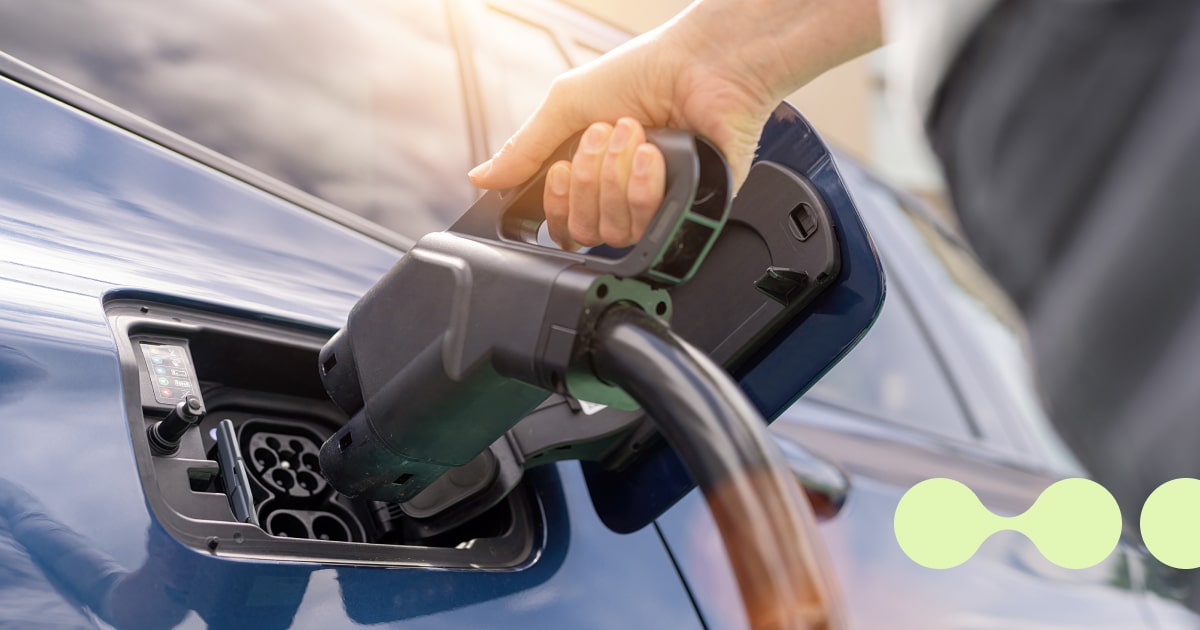
The adoption of electric vehicles in Thailand is accelerating, moving from a niche interest to a mainstream consideration for many drivers. As more people switch to electric, the conversation naturally shifts towards the practical aspects of ownership. One of the most significant developments improving the daily usability of EVs is the expansion of direct current (DC) fast charging infrastructure. This technology fundamentally changes how people interact with their electric cars.
For many years, the primary concern for potential EV owners was the time it took to recharge a vehicle. Standard home charging, while convenient overnight, is not practical for long trips or quick top-ups during a busy day. This is where the importance of an EV fast charger becomes clear. These powerful stations can replenish a significant portion of an EV’s battery in a fraction of the time compared to traditional alternating current (AC) chargers.
Imagine stopping for a coffee or a quick meal and returning to your car to find it has gained hundreds of kilometres of range. This is the reality DC fast charging offers. For drivers in Thailand, this means greater freedom and confidence. Journeys between Bangkok and cities like Hua Hin or Pattaya become much simpler, without the need for extended charging stops. The convenience of this technology helps make electric vehicles a practical choice for a wider range of drivers.
How Does DC Fast Charging Work?
The main difference between AC and DC charging lies in where the power conversion happens. With AC charging, the car’s onboard converter changes the alternating current from the grid into direct current that the battery can store. This process is limited by the size and power of the onboard converter.
DC fast chargers bypass the car’s internal converter entirely. They convert the AC power to DC within the charging station itself and deliver it directly to the battery. This allows for much higher charging speeds, often ranging from 50kW to over 350kW. The result is a drastically reduced charging time, with many modern EVs capable of charging from 20% to 80% in under 30 minutes.
The Growing Network in Thailand
The Thai government and private sector partners recognise the need for a robust charging network to support the country’s EV goals. As a result, the number of DC fast charging stations is rapidly increasing. These are strategically placed along major highways, in shopping centres, and at service stations across the nation.
This expanding network directly addresses range anxiety, which has been a barrier to EV adoption. Knowing that a fast charger is readily available along your route makes long-distance travel in an EV as straightforward as in a conventional vehicle. For urban drivers, it provides a quick solution if they cannot charge at home. This growing infrastructure is essential for building a sustainable electric mobility ecosystem in Thailand, paving the way for a cleaner and quieter future on the roads.